Food Decisions
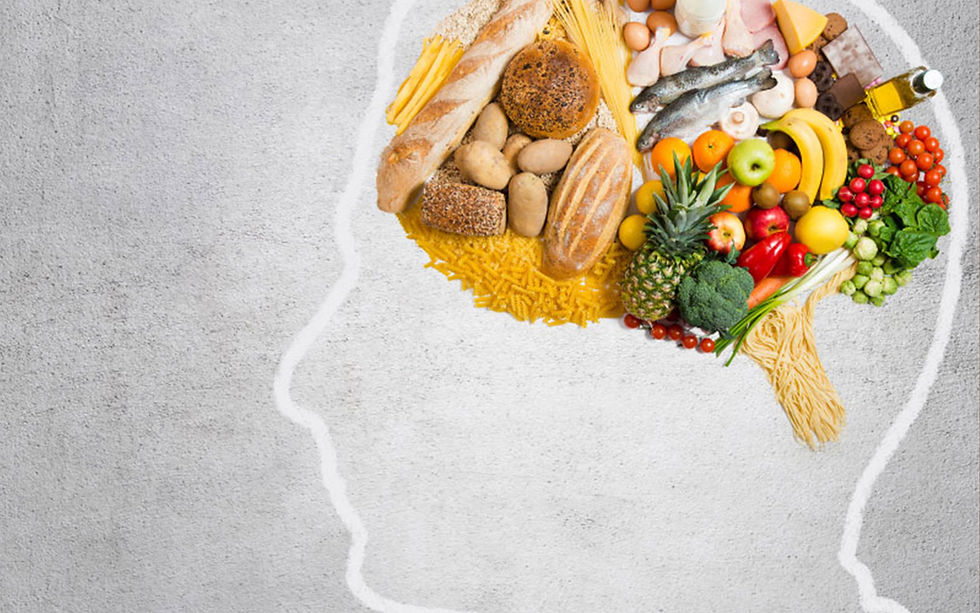
My personal relationship with food has been transformed over the past few years. Through consistent nutritional self-education and dedicated practice of self-discipline, patience and self-compassion, consuming food as medicine has become an effortless daily habit. MyFitnessPal, calorie counting, macro and micro nutrient tracking are no longer consuming my precious time and mental energy. Balanced, mindful and intuitive eating is finally a lifestyle. What my body needs is now what my mind wants and the other way around.
Understanding the difference between Homeostatic Eating and Hedonic Eating is playing a key role in my every day dietary decisions.
Homeostatic Eating:
This is the body's natural mechanism for ensuring it gets enough fuel to function optimally. Physical hunger is signaled by cues like stomach growling or an empty feeling.
Homeostatic eating is the balance between our metabolic needs and energy expenditures. It is a complex process regulated by the hypothalamus as a control center, hormones like ghrelin (hunger stimulating), leptin (satiety signaling), cholecystokinin (CCK), glucagon-like peptide-1 (GLP-1), and also the vagus nerve that, via the Gut-Brain Axis, communicates back with the brain.

My daily 10 homeostatic foods that I consume habitually and it also prevent me from decision fatigue.
leafy greens and other low glycemic vegetables (seasonal preferably)
unsweetened organic coconut yogurt or organic nonfat plain Greek yogurt (both with probiotics)
low fat organic cottage cheese with probiotics
organic ancient seeds (basil, chia, flax)
organic walnuts
organic blueberries and raspberries
Japanese ceremonial matcha
green tea
high quality dark chocolate (2 squares after dinner)
kimchi
In addiction to these, I ensure eating salmon at least once a week; tuna, turkey or chicken 2-3 times per week, and up to two organic pastured eggs on weekends.

Hedonic Eating:
It is driven by factors other than physical hunger: emotions, habits, stress, cravings for certain tastes (sweet, salty, or fatty foods). The brain's reward system, influenced by dopamine and other hormones, is making some foods highly palatable, potentially creating addictive behaviors.
Emotional factors: Stress, boredom, anxiety or sadness.
In my case, imbalanced cortisol level related to poor sleep or other daily life stressors can trigger cravings, particularly for nuts or peanut butter, as a coping mechanism.
Environmental cues: Seeing or smelling appealing food, social situations, or being in a particular environment (watching TV) can stimulate cravings.
For instance, like anything overindulged, excessive travel can become an addictive pleasure. Ordering a caffeinated latte right after arriving in the airport was my habit of stacking pleasures. Through self monitoring, I was negatively surprised to discover the high glycemic effect of these commercial beverages. I personally consider airport and airplane food unhealthy, of low nutritional value, and I now avoid it, even if I have to resist hunger. Apparently, average airline meal contains more than 800mg of sodium, which is approximately 30 percent of the daily limit of 2,300mg for healthy individuals.
Canned tuna or sardines, yogurt, nuts and fruits fill up more than half of my travel backpack.
Childhood habits: Eating patterns established in childhood, or associating food with cherished memories, can influence hedonic eating in adulthood.
The aroma of freshly baked bread and other European delights, combined with my hometown nostalgia, always take me back to my treasured childhood. I can probably eat a whole loaf of hot temptation if I lose myself in the basement of my mind. But this is where years of self control and moderation practice come to support my health conscious decision that ultimately feels right and not restrictive.

Our Mother Earth generously offers us a variety of whole foods that are not only healthy and nutritious, but equally delicious and satisfying.
In conclusion, to promote holistic well-being, it is important to nourish our bodies with essential nutrients and energy, rather than feeding our emotional distress.


Comments